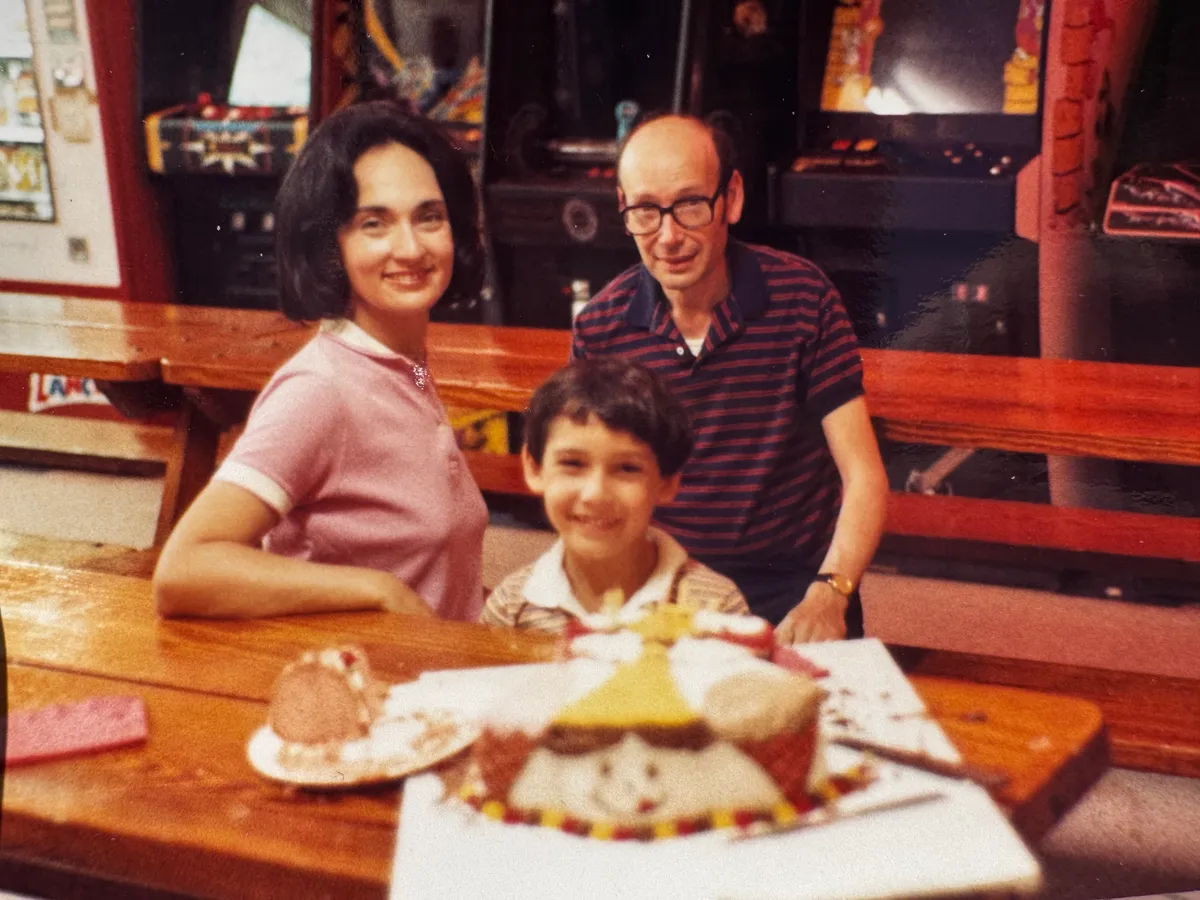
Judy Rosenthal was a prolific baker that poured her love and time into always having on hand treats for the communities and people around her to take when needed. These were a few of her favorites! 💕
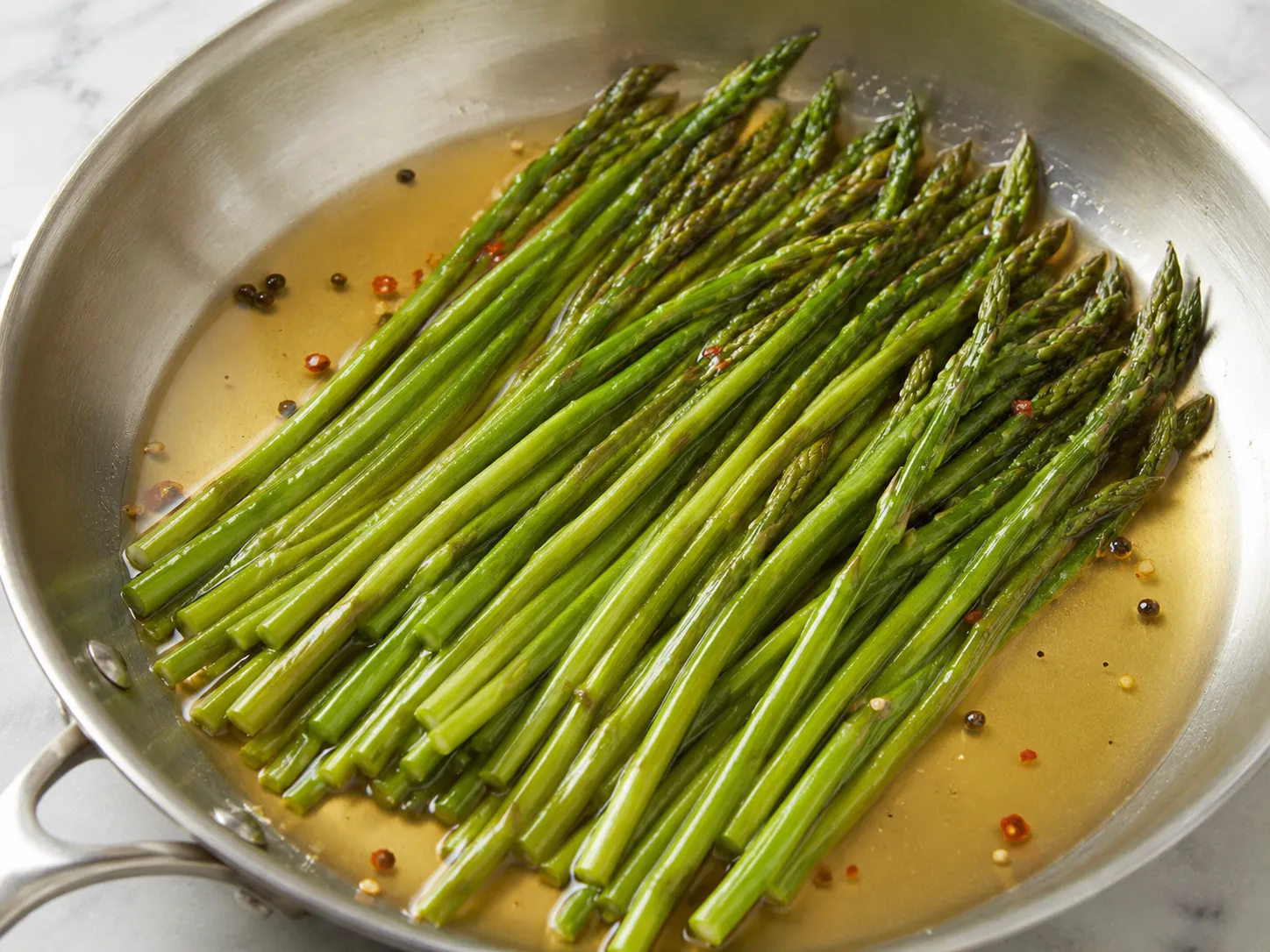 Asparagus
 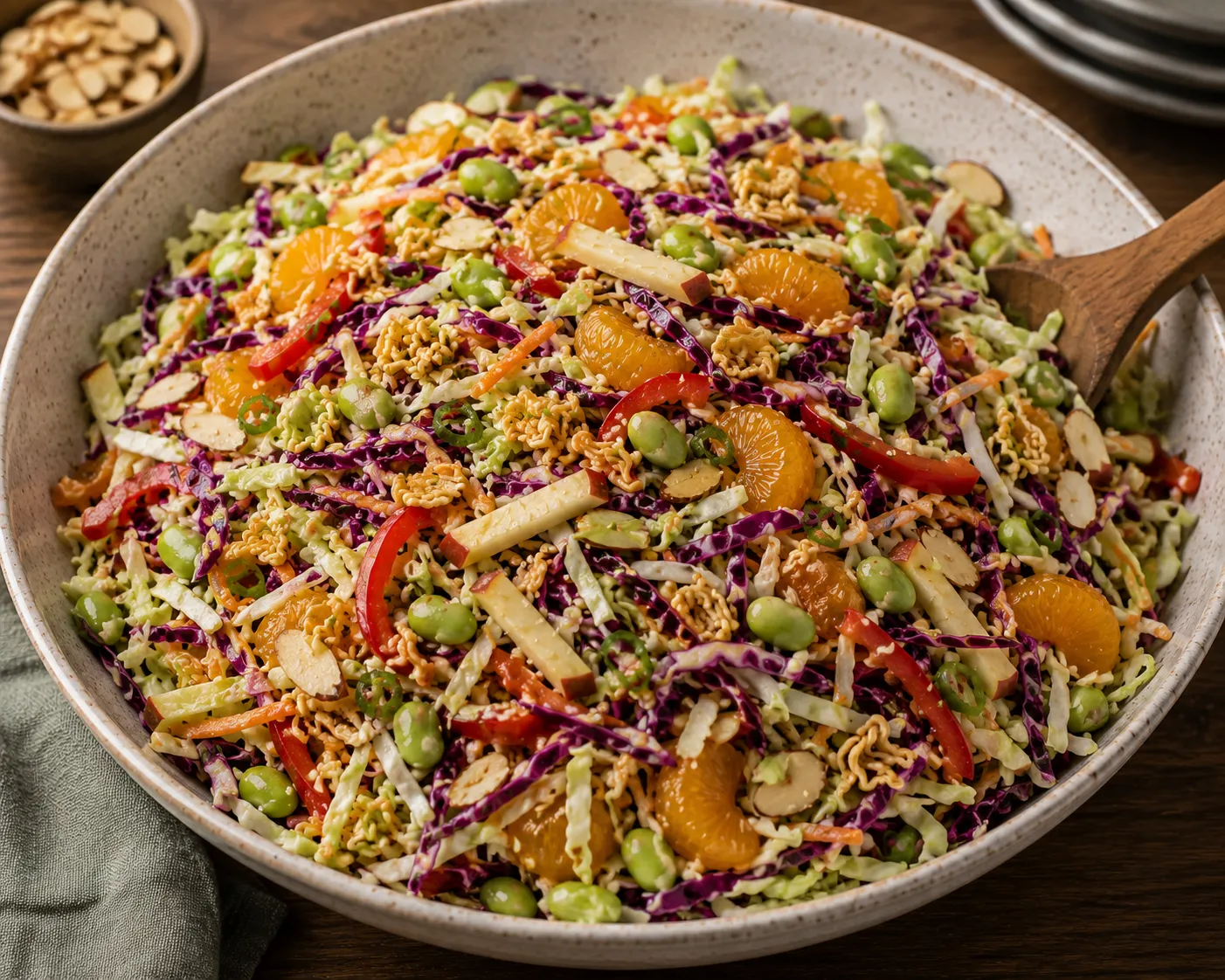 Cabbage Salad
 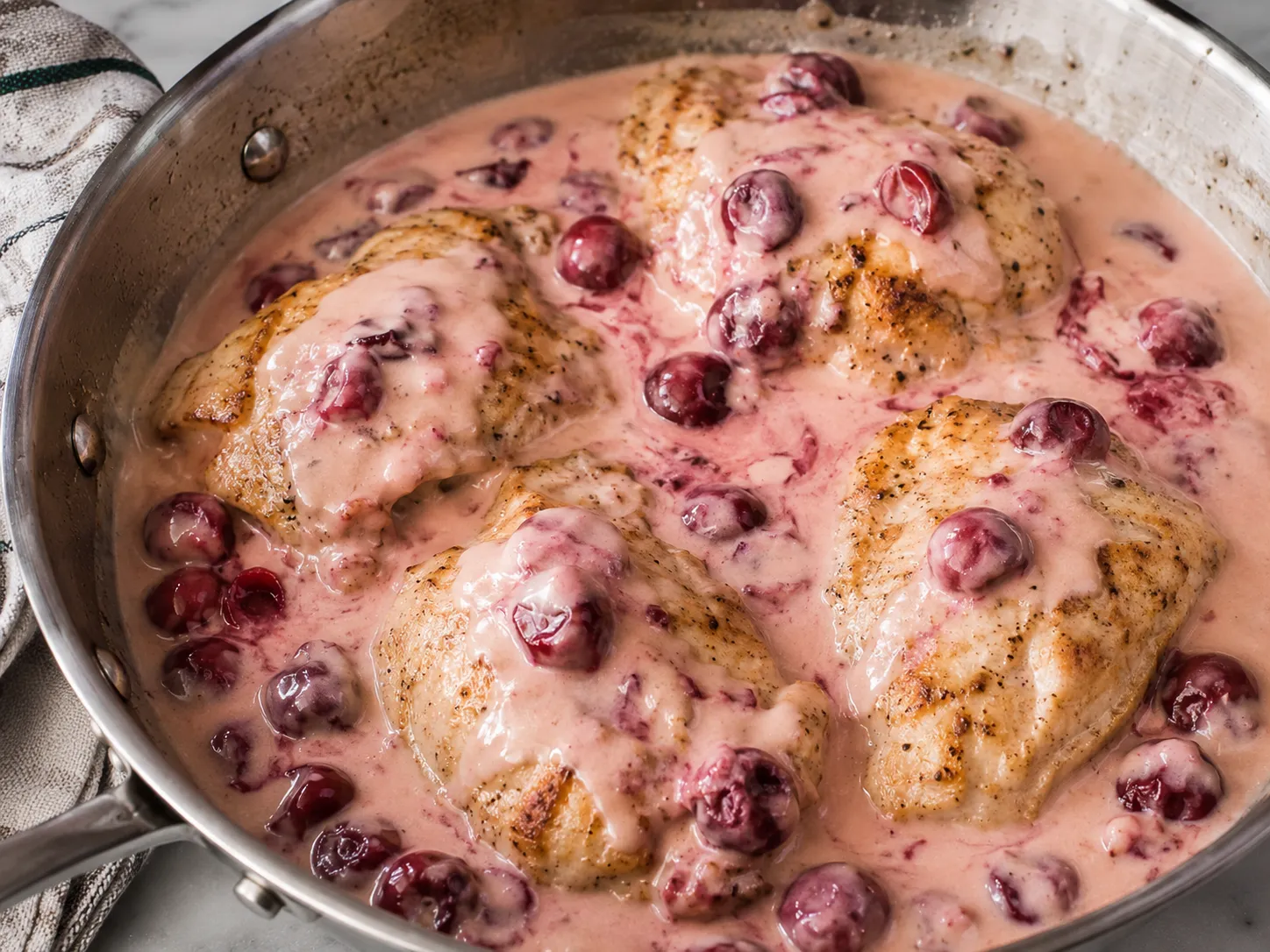 Cherry Cream Sauce Chicken
 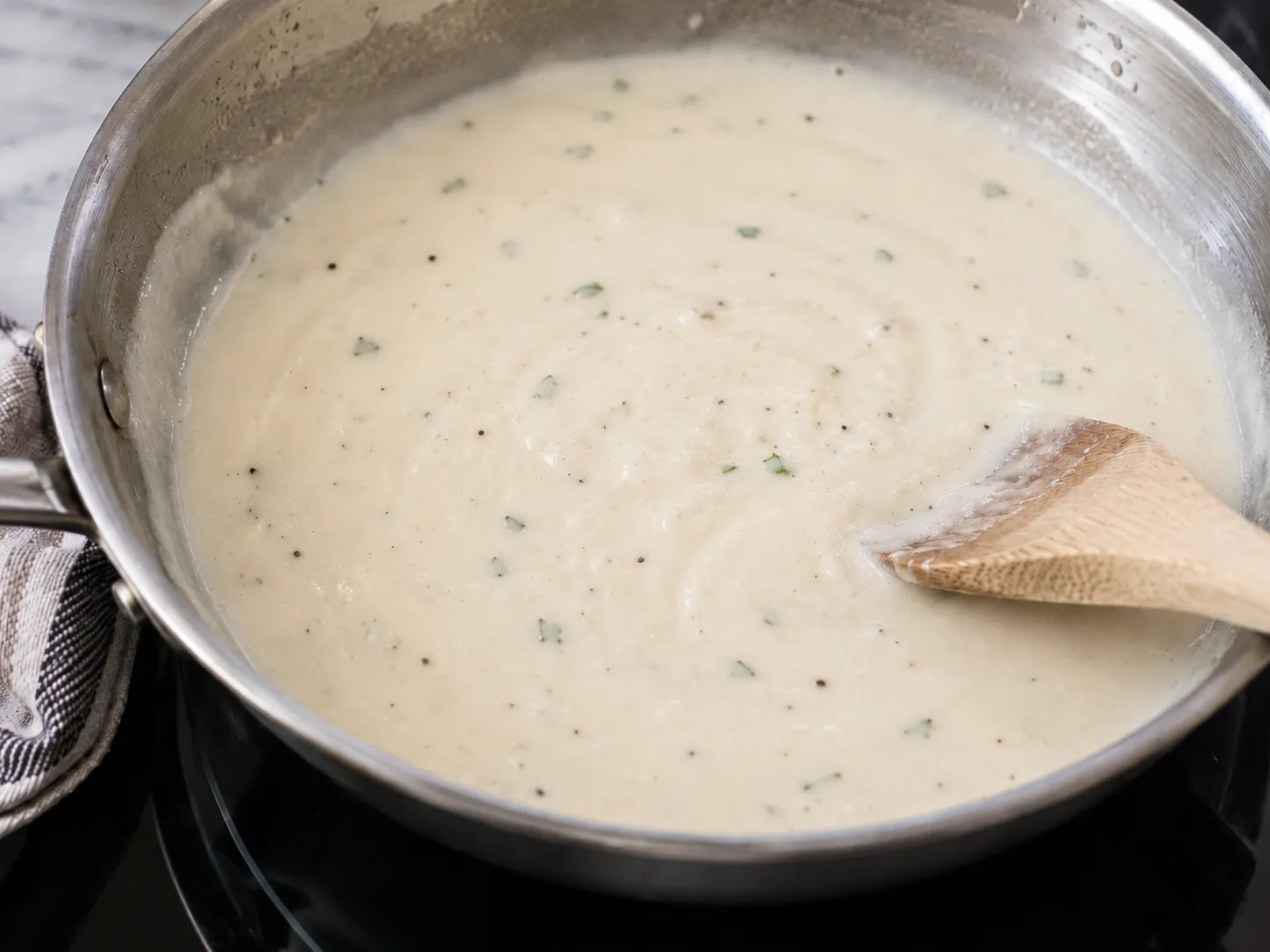 Cream Sauce
 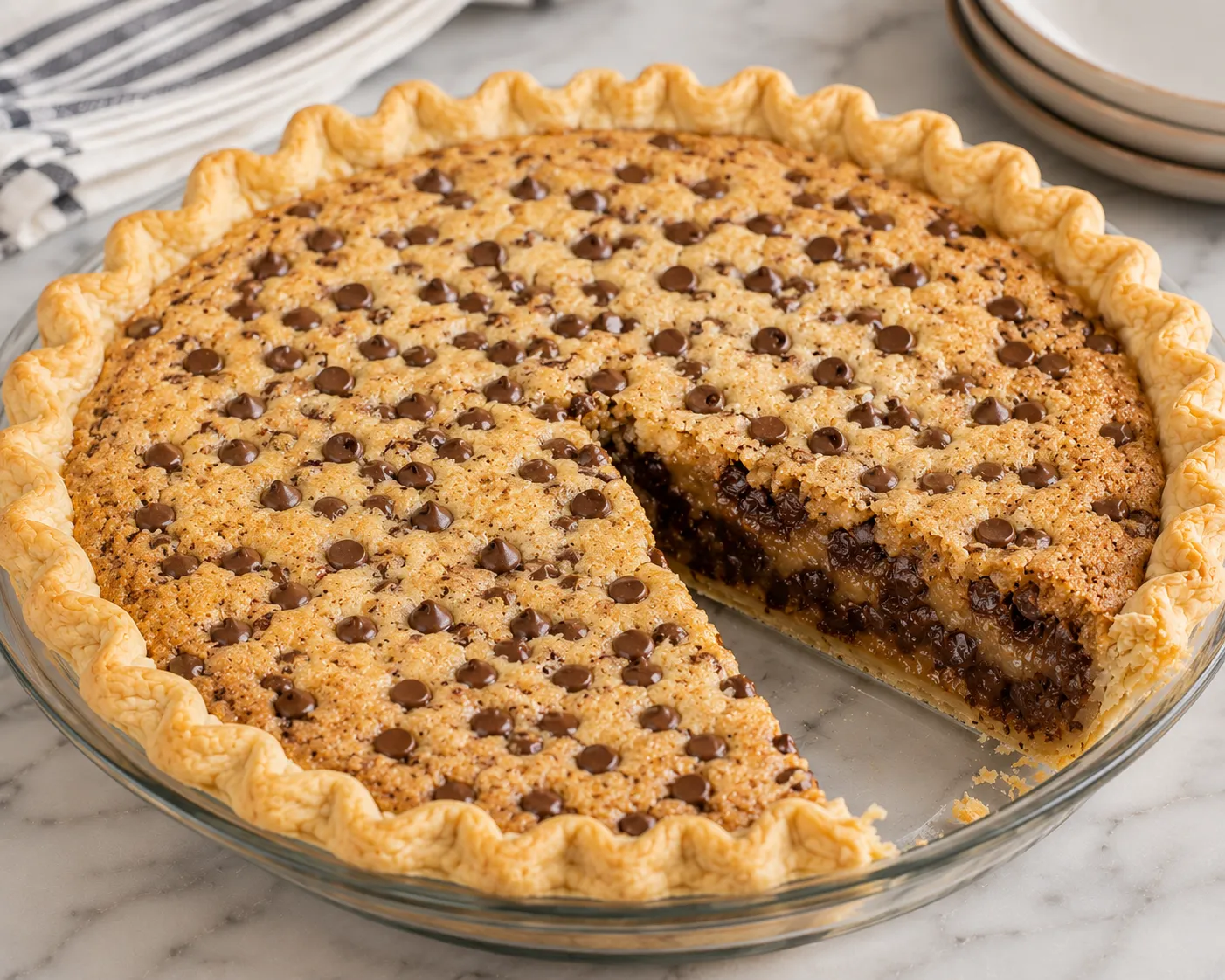 Derby Pie
 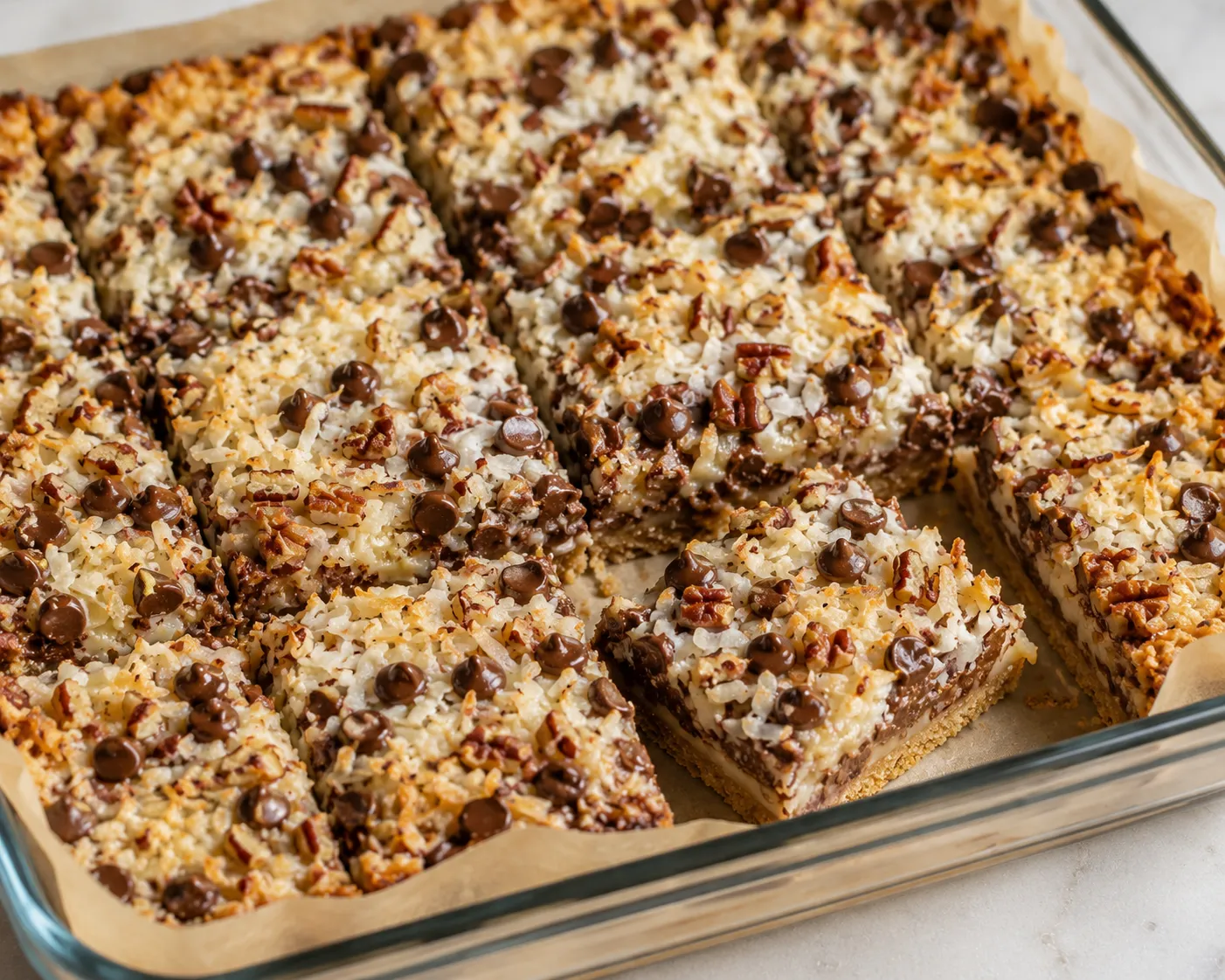 Hello Dollies
 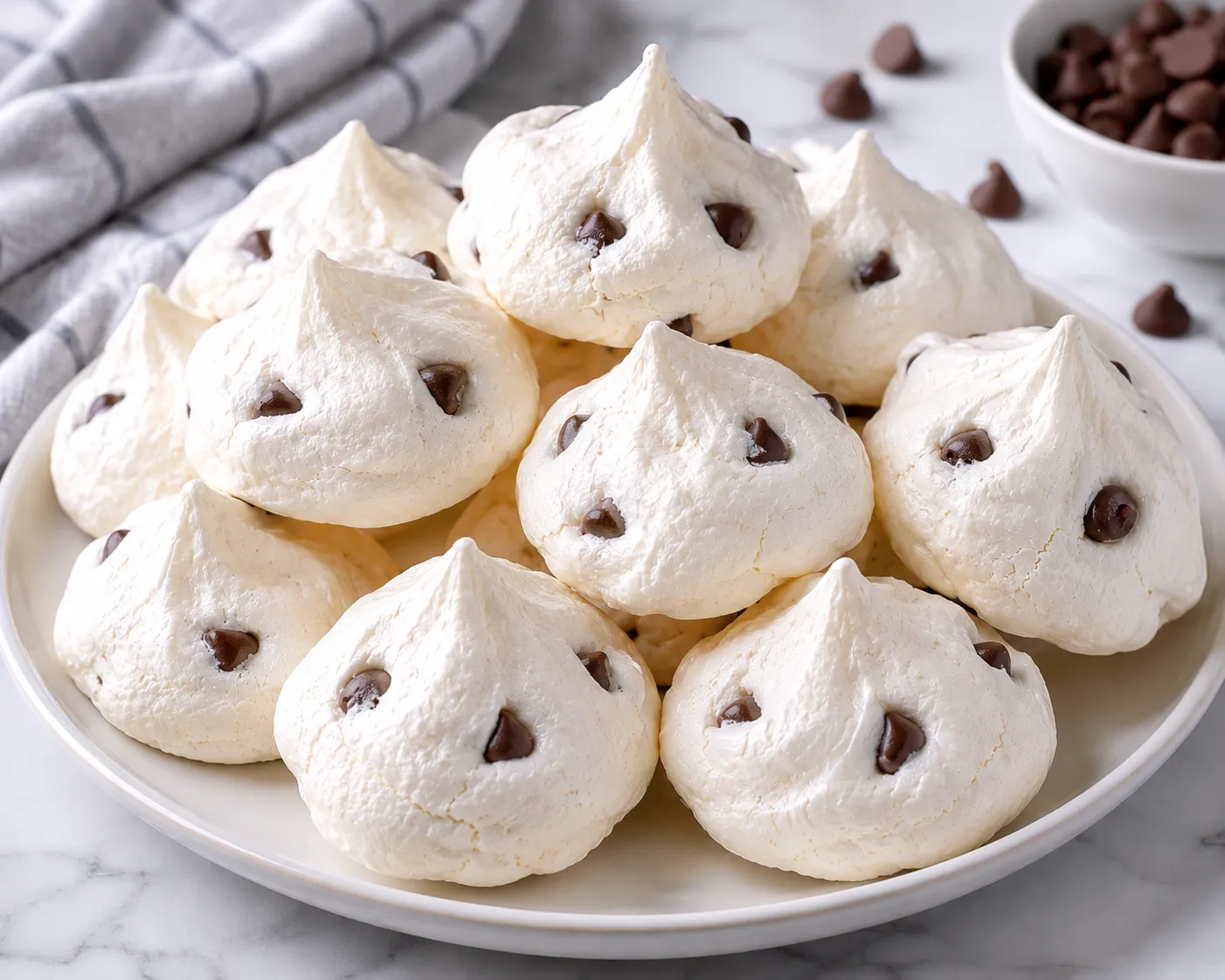 Meringues
 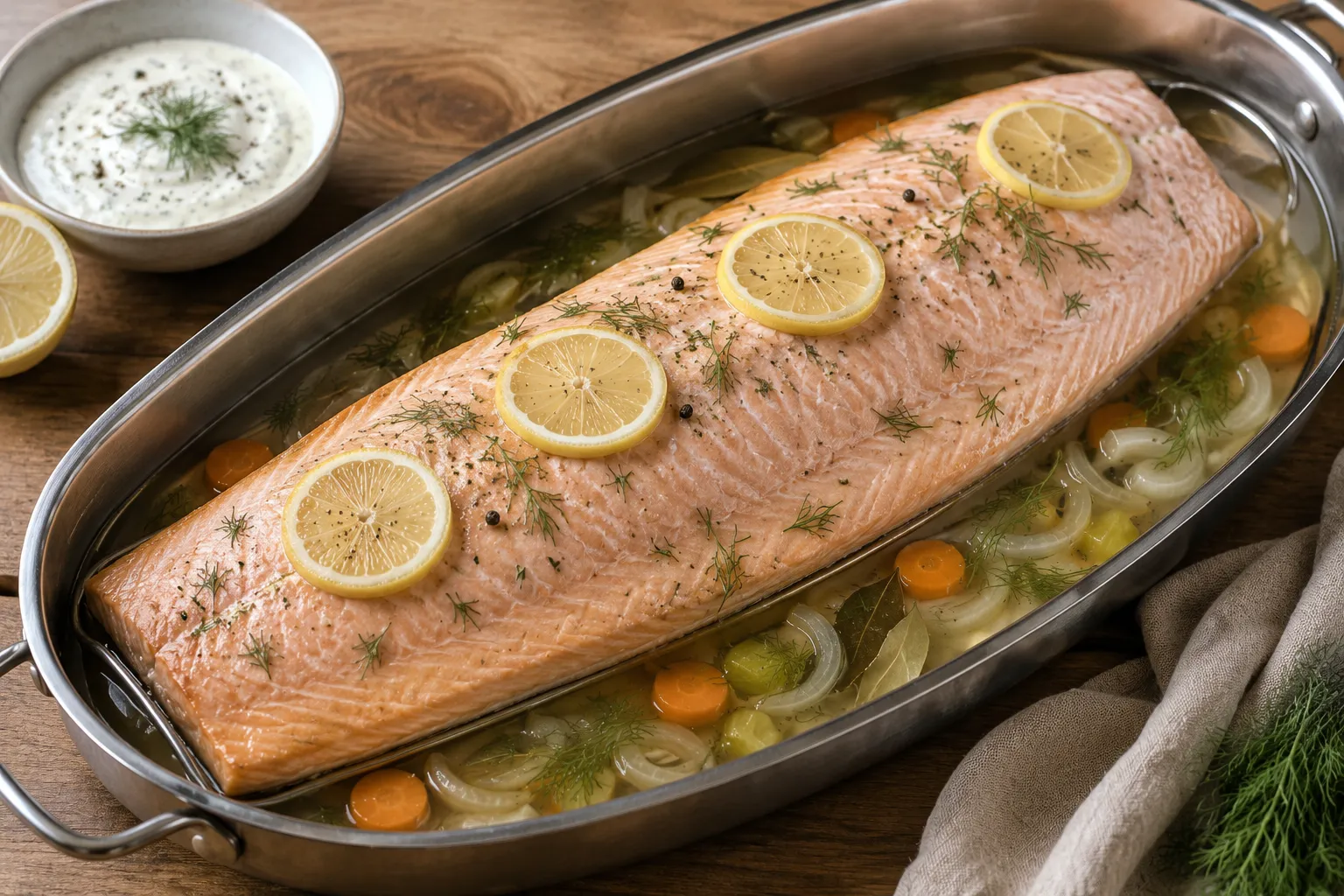 Poached Salmon
 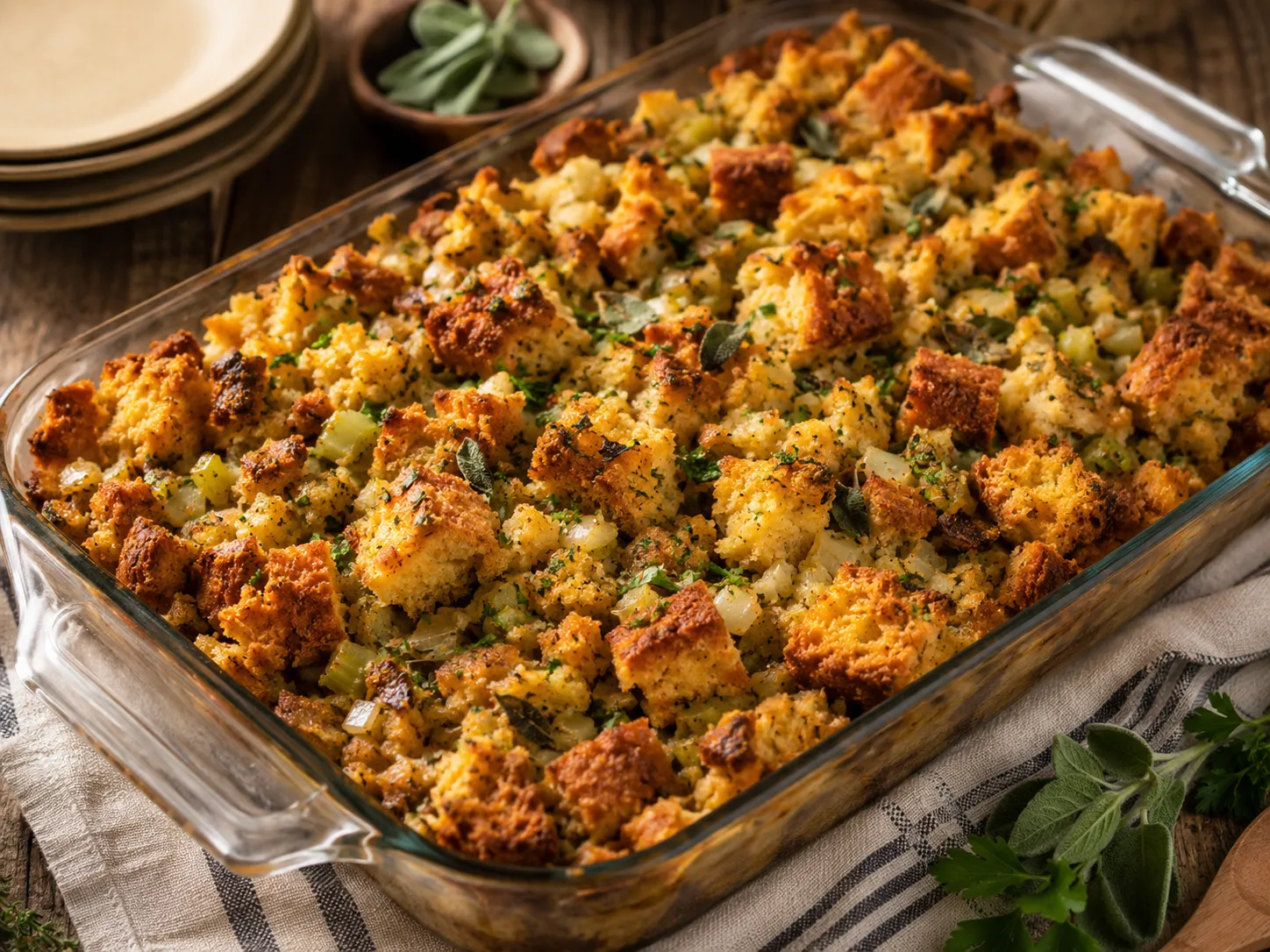 Turkey Stuffing
 Ingredients
- 1 bunch asparagus
- Rice vinegar, enough to cover the asparagus
Instructions
- Pour the asparagus in a pan with rice vinegar.
- Keep the asparagus as long as possible
- Cook for X minutes, then serve!
Crunchy Red Cabbage Ramen Salad with Almonds, Edamame, Apple, and Mandarin Oranges
Ingredients
For the salad
- 1 small head red cabbage, thinly shredded
- 1 package instant ramen noodles, uncooked
- ½ cup slivered almonds
- 1 cup shredded carrots
- 1 red, yellow, or orange bell pepper, thinly sliced
- 1 cup shelled edamame, cooked and cooled
- 1 cup mandarin orange segments, drained if canned
- 1 apple, thinly sliced
- Optional: 2–3 scallions, thinly sliced
- Optional: 1 tablespoon sesame seeds
For the dressing
- ⅓ cup neutral oil, such as canola, vegetable, or avocado oil
- 3 tablespoons rice vinegar
- 1 tablespoon soy sauce
- 1½ to 2 tablespoons honey or sugar
- 1 teaspoon toasted sesame oil
- ½ teaspoon grated fresh ginger, optional
- ½ teaspoon salt, or to taste
- Black pepper, to taste
Instructions
-
Toast the ramen and almonds
Crush the dry ramen noodles into small pieces. In a dry skillet over medium heat, toast the crushed ramen noodles and slivered almonds for 3 to 5 minutes, stirring often, until lightly golden and fragrant. Set aside to cool. -
Prepare the salad
In a large bowl, combine the shredded red cabbage, shredded carrots, sliced bell pepper, edamame, mandarin orange segments, and sliced apple. -
Make the dressing
In a small bowl or jar, whisk together the oil, rice vinegar, soy sauce, honey or sugar, sesame oil, ginger if using, salt, and pepper. -
Toss the salad
Pour the dressing over the cabbage mixture and toss well. -
Add the crunch
Add the toasted ramen noodles and almonds shortly before serving, then toss again. -
Serve
Let the salad sit for 10 to 20 minutes before serving so the cabbage softens slightly and the flavors come together.
Notes
For the best crunch, add the ramen noodles and almonds close to serving time.
If making ahead, mix the cabbage, carrots, bell pepper, edamame, and dressing first, then add the apple, mandarin oranges, ramen noodles, and almonds shortly before serving.
To keep the apple from browning, toss the slices with a little rice vinegar or lemon juice before adding them to the salad.
Chicken Cooked in Cream Sauce with Cherries
This is a savory-sweet chicken dish where the chicken is lightly seared first, then finished gently in a creamy olive-oil-based sauce with canned cherries. The sauce helps keep the chicken moist while adding richness and flavor.
Ingredients
For the chicken
- 4 boneless, skinless chicken breasts or thighs
- Salt, to taste
- Black pepper, to taste
- 1 to 2 tablespoons olive oil, for searing
For the cream sauce
- 3 tablespoons olive oil
- 3 tablespoons all-purpose flour
- 2 cups milk, preferably 2%
- Half a slice of cheddary cheese.
- ½ teaspoon salt, or to taste
- Black pepper, to taste
- Optional: pinch of garlic powder, paprika, or cayenne
For the cherries
- 1 to 1 ½ cups canned cherries or cherry pie filling
- Optional: 1 teaspoon Dijon mustard or a small splash of lemon juice, to balance the sweetness
Instructions
-
Season the chicken
Pat the chicken dry with paper towels. Season both sides with salt and black pepper. -
Lightly sear the chicken
Heat 1 to 2 tablespoons olive oil in a large skillet over medium heat. Add the chicken and sear for about 2 minutes per side, just until lightly golden.The chicken does not need to be cooked through at this stage. Remove it from the skillet and set it aside.
-
Start the cream sauce
In the same skillet, reduce the heat to medium-low. Add 3 tablespoons olive oil. Sprinkle in the flour while whisking or stirring constantly. -
Cook the flour mixture
Cook for 1 to 2 minutes, stirring constantly, until the mixture is smooth and slightly bubbly. This helps remove the raw flour taste. -
Add the milk gradually
Add a small splash of milk and whisk until smooth. Continue adding the milk a little at a time, whisking well after each addition. Once the sauce loosens, add the remaining milk more quickly. -
Thicken the sauce
Cook over medium-low heat, stirring often, until the sauce thickens enough to coat the back of a spoon, about 3 to 5 minutes. -
Add the cheese
Lower the heat and stir in the shredded cheese a handful at a time, mixing until melted and smooth before adding more. -
Add the cherries
Stir in the canned cherries or cherry pie filling. Start with 1 cup, then add more if you want the sauce sweeter and fruitier.If the sauce tastes too sweet, stir in a small splash of lemon juice or 1 teaspoon Dijon mustard.
-
Return the chicken to the skillet
Place the lightly seared chicken back into the skillet, nestling it into the sauce. Spoon some of the sauce over the top. -
Cook the chicken in the sauce
Cover the skillet and simmer gently over low heat for 10 to 15 minutes, depending on the thickness of the chicken. Stir the sauce occasionally and spoon it over the chicken as it cooks.Do not let the sauce boil hard, because milk-and-cheese sauces can separate or scorch.
-
Check for doneness
The chicken is done when it reaches 165°F in the thickest part. If you do not have a thermometer, cut into the thickest piece and make sure the meat is fully opaque with no pink in the center. -
Serve
Serve the chicken warm with plenty of cream sauce spooned over the top.
Olive Oil Cheese Cream Sauce
This is a simple cheese sauce made like a béchamel, but using olive oil instead of butter. It works well for pasta, vegetables, baked potatoes, rice, chicken, or as a quick base for mac and cheese.
Ingredients
- 3 tablespoons olive oil
- 3 tablespoons all-purpose flour
- 2 cups milk, preferably whole milk or 2%
- Half a slice of Cheddar Cheese
- ½ teaspoon salt, or to taste
- Black pepper, to taste
- Optional: pinch of garlic powder, mustard powder, paprika, or cayenne
Instructions
-
Warm the olive oil
Heat a skillet or saucepan over medium-low heat. Add the olive oil and let it warm for about 30 seconds. It should shimmer slightly but not smoke. -
Add the flour
Sprinkle in the flour while whisking or stirring constantly. Cook for 1 to 2 minutes, until the mixture looks smooth and slightly bubbly. This helps remove the raw flour taste. -
Add the milk gradually
Pour in a small splash of milk, whisking constantly until the flour mixture absorbs it and becomes smooth. Continue adding the milk a little at a time, whisking well after each addition.Once the sauce loosens up, you can add the remaining milk more quickly.
-
Simmer until thickened
Keep cooking over medium-low heat, stirring often, until the sauce thickens enough to coat the back of a spoon. This usually takes 3 to 5 minutes. -
Add the cheese
Lower the heat. Add the shredded cheese a handful at a time, stirring until melted before adding more. Cheddar is a great choice, but Monterey Jack, Gruyère, mozzarella, fontina, Parmesan, or a mix will also work. -
Season and serve
Add salt, pepper, and any optional seasonings. Taste and adjust. Serve warm.
Notes
For a thicker sauce, use a little more cheese or simmer it slightly longer. For a thinner sauce, whisk in more milk a splash at a time.
For the smoothest sauce, use cheese you shred yourself. Pre-shredded cheese often contains anti-caking starches that can make the sauce slightly grainy.
A good basic ratio is:
2 tablespoons olive oil + 3 tablespoon flour + about ⅔ cup milk + half a slice of cheese.
Derby-Style Chocolate Chip Pie with Homemade Oil-Based Crust
This is a rich, buttery chocolate chip pie baked in a soft, simple homemade oil-based pie crust. The crust is less flaky than a traditional butter crust and should hold together well without being crumbly.
Ingredients
Homemade Oil-Based Pie Crust
- 1 ⅓ cups all-purpose flour
- ½ teaspoon salt
- ⅓ cup neutral oil, such as vegetable, canola, or avocado oil
- 3 tablespoons milk
Filling
- ½ cup butter, melted and slightly cooled
- 1 cup granulated sugar
- ½ cup all-purpose flour
- 2 large eggs
- 1 teaspoon vanilla extract
- Pinch of salt
- 1 to 1 ¼ cups semi-sweet chocolate chips
- Optional: 1 tablespoon bourbon
Instructions
Make the pie crust
-
Mix the flour and salt
In a bowl, stir together the flour and salt. -
Add the oil and milk
Add the oil and milk. Stir gently with a fork until the dough comes together. -
Form the crust
Press the dough into a ball. If it feels too dry, add a tiny splash more milk. If it feels too wet, sprinkle in a little more flour. -
Roll or press into the pie plate
Roll the dough between two sheets of wax paper or parchment paper, then transfer it to a 9-inch pie plate.Alternatively, press the dough directly into the pie plate with your fingers, making sure it is even across the bottom and up the sides.
-
Crimp the edges
Trim any excess dough and crimp the edges if desired. The crust does not need to be blind-baked.
Make the filling
-
Preheat the oven
Preheat the oven to 350°F. -
Mix the filling
In a mixing bowl, whisk together the melted butter, sugar, flour, eggs, vanilla, salt, and bourbon if using. Mix until smooth. -
Add chocolate chips
Stir in the chocolate chips. -
Fill the crust
Pour the filling into the unbaked pie crust and spread it evenly. -
Bake
Bake for 45 to 55 minutes, until the top is golden brown and the center is mostly set. The center may still look slightly soft, but it should not be liquid. -
Cool before slicing
Let the pie cool for at least 1 to 2 hours before cutting so the filling can set. -
Serve
Serve plain, with whipped cream, or with vanilla ice cream.
Notes
Because this version has no nuts, it is softer and more chocolate-forward than the traditional version.
The oil-based crust is tender and simple, not especially flaky. It works well here because the filling is rich and buttery.
For a more chocolate-heavy pie, use the full 1 ¼ cups chocolate chips.
Hello Dollies
Graham Cracker, Coconut, Chocolate Chip Bars
Hello Dollies, also called magic bars or seven-layer bars, are rich, chewy dessert bars made with a graham cracker crust, sweetened condensed milk, coconut, chocolate chips, and usually nuts.
Ingredients
- ½ cup butter, melted
- 1 ½ cups graham cracker crumbs
- 1 can sweetened condensed milk, 14 ounces
- 1 cup chocolate chips
- 1 cup sweetened shredded coconut
- 1 cup chopped pecans or walnuts, optional but traditional
- Optional: ½ cup butterscotch chips or white chocolate chips
Instructions
-
Preheat the oven
Preheat the oven to 350°F. Grease a 9x13-inch baking dish or line it with parchment paper. -
Make the graham cracker crust
Pour the melted butter into the baking dish. Add the graham cracker crumbs and mix until evenly moistened. Press the crumbs firmly into an even layer on the bottom of the pan. -
Add the condensed milk
Pour the sweetened condensed milk evenly over the graham cracker crust. -
Add the toppings
Sprinkle the chocolate chips evenly over the condensed milk. Add the coconut, then the chopped nuts if using. If using butterscotch chips or white chocolate chips, sprinkle them on as well. -
Press gently
Lightly press the toppings down with the back of a spoon or spatula so they settle into the condensed milk. -
Bake
Bake for 25 to 30 minutes, until the edges are golden brown and the coconut is lightly toasted. -
Cool completely
Let the bars cool fully in the pan before cutting. They slice much more cleanly once cooled. -
Serve
Cut into small squares or bars. They are rich, so smaller pieces work well.
Notes
The classic version usually includes graham cracker crust, condensed milk, chocolate chips, coconut, and nuts. Butterscotch chips are also very common and make them taste more like traditional “magic bars.”
For easier cutting, chill the pan for 30 minutes after it cools.
Forgotten Cookies
Chocolate Chip Meringue Cookies
These are light, crisp meringue cookies with chocolate chips. They are called “forgotten cookies” because you put them into a preheated oven, turn the oven off, and leave them there overnight.
Ingredients
- 2 large egg whites, at room temperature
- ⅛ teaspoon salt
- ⅛ teaspoon cream of tartar, optional but helpful
- ⅔ cup granulated sugar
- 1 teaspoon vanilla extract
- 1 cup mini chocolate chips or regular chocolate chips
- Optional: ½ cup chopped pecans or walnuts
Instructions
-
Preheat the oven
Preheat the oven to 350°F. Line a baking sheet with parchment paper. -
Beat the egg whites
In a clean, dry bowl, beat the egg whites with the salt and cream of tartar until foamy. -
Add the sugar gradually
Add the sugar a little at a time, beating well after each addition. Continue beating until the meringue is glossy and forms stiff peaks. -
Add vanilla
Beat in the vanilla extract. -
Fold in the chocolate chips
Gently fold in the chocolate chips, and nuts if using. -
Spoon onto the baking sheet
Drop spoonfuls of the mixture onto the prepared baking sheet, leaving a little space between them. -
Put in the oven and turn it off
Place the baking sheet in the preheated oven. Immediately turn the oven off. -
Forget them overnight
Leave the cookies in the closed oven overnight, or at least 6 to 8 hours. Do not open the oven during this time. -
Serve
In the morning, the cookies should be dry, crisp, and light. Store them in an airtight container.
Notes
The bowl and beaters need to be very clean and dry, because even a little grease can keep the egg whites from whipping properly.
Mini chocolate chips work especially well because they distribute evenly without weighing down the meringue.
These cookies are best made on a dry day. Humidity can make meringues sticky.
Poached Whole Side of Salmon
This recipe is for a long, whole side of salmon cooked gently in a fish poacher or long poaching pan. It is moist, delicate, and very good served warm, room temperature, or chilled.
What to Buy
Ask the fish counter for:
A whole side of salmon, skin-on, pin bones removed, trimmed to fit a fish poacher.
A whole side is usually about 2 to 4 pounds. Skin-on is helpful because it keeps the salmon from falling apart when you lift it out of the pan.
Ingredients
- 1 whole side of salmon, about 2 to 4 pounds, skin-on if possible
- Water, enough to come about halfway to two-thirds up the side of the salmon
- 1 cup dry white wine, optional
- 1 lemon, sliced
- 1 small onion, sliced
- 1 carrot, sliced, optional
- 1 celery stalk, sliced, optional
- 2 bay leaves
- 1 tablespoon kosher salt
- 1 teaspoon black peppercorns
- A few sprigs of dill, parsley, or thyme
Optional Lemon-Dill Sauce
- ½ cup sour cream, Greek yogurt, or mayonnaise
- 1 tablespoon lemon juice
- 1 teaspoon Dijon mustard
- 1 tablespoon chopped fresh dill
- Salt and pepper, to taste
Instructions
-
Prepare the salmon
Check that the salmon fits in the poaching pan. If needed, trim the thin tail end slightly so it fits comfortably. Pat the salmon dry and make sure any pin bones have been removed. -
Make the poaching liquid
In the poaching pan, combine water, white wine if using, lemon slices, onion, carrot, celery, bay leaves, salt, peppercorns, and herbs. -
Simmer the liquid first
Bring the liquid to a gentle simmer, uncovered. Let it simmer for about 10 minutes so the aromatics flavor the poaching liquid. -
Lower the heat
Reduce the heat to low. The liquid should be hot and steaming, but barely moving. Do not let it boil. -
Add the salmon
Place the salmon on the rack or insert, skin-side down. Carefully lower it into the poaching pan. The liquid should come about halfway to two-thirds up the salmon. It does not need to fully cover it. -
Cover and poach gently
Cover the poaching pan and cook over low heat for about 20 to 30 minutes, depending on the thickness of the salmon. A very thick side may need closer to 35 minutes. -
Check for doneness
The salmon is done when it is just opaque and flakes gently. If using a thermometer, aim for about 125°F to 130°F for moist salmon, or closer to 140°F if you prefer it more fully cooked. -
Lift out carefully
Use the rack to lift the salmon out of the pan. Let it rest for about 5 minutes before serving. -
Make the sauce
In a small bowl, stir together the sour cream, Greek yogurt, or mayonnaise with lemon juice, Dijon mustard, dill, salt, and pepper. -
Serve
Serve the salmon warm, room temperature, or chilled, with lemon-dill sauce on the side.
Serving Suggestions
Judy used to garnish this with fresh dill and serve this with mashed potatoes and asparagus.
Notes
For the best texture, keep the poaching liquid very gentle. A hard boil can make the salmon dry or cause it to break apart.
If serving chilled, let the salmon cool, then refrigerate it covered. It can be served cold with lemon slices, cucumber, dill, and sauce.
A whole side of salmon is easier to handle if it is skin-on. The skin helps hold the fish together while poaching and lifting.
Judy’s mother Lucy-Jane was from Alabama, and Lucy-Jane used to make turkey all the time. She’d cook this stuffing inside of the turkey, but Judy used to make it on the stovetop. It was one of Judy’s son Brian’s favorite dishes growing up.
Ingredients
- 2 yellow onions, diced.
- 6 Cloves of Garlic, minced
- 4 stalks of Celery, diced
- 1/3 cup sage leaves, chopped
- 1/2 cup parsley leaves, chopped
- 2 1/4 cups, low sodium chicken broth
- Fine black pepper (or cayenne pepper)
- 1 Challah, cubed
- 1 Cornbread, cubed
- 1 large egg
Instructions:
- Cube the challah and cornbread. Optionally dry it out in the oven. Place in large mixing bowl.
- Dice the onions and the celery, mince the garlic. Cook with olive oil for 10-12 minutes until the onions are translucent.
- Chop the sage and parsley and add them.
- Add 2 cups of chicken broth and bring to boil. Add 1 teaspoon of pepper.
- Pour broth / vegetable mixture into the bowl over the challah and cornbread. Add the egg to help it bind together (optionally mix the egg with a bit of chicken broth)
- Pour everything into baking dish and bake for 45 minutes at 350 degrees.